
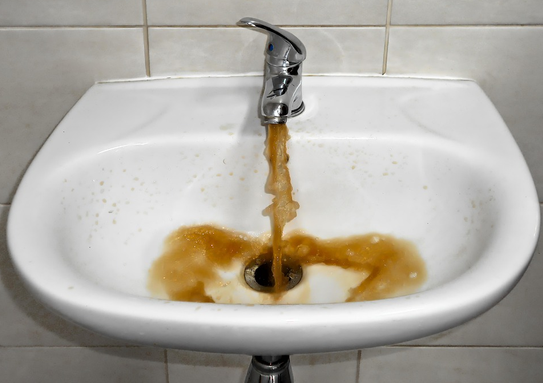
Water damage is one of the most common and expensive issues homeowners face. A small leak may seem harmless at first, but over time it can lead to structural damage, mold growth, ruined belongings, and costly repair bills. The good news is that many water-related problems can be prevented with regular maintenance and a proactive approach. By understanding the risks and taking simple preventive measures, you can protect your home and avoid unexpected expenses.
Inspect Your Plumbing System Regularly
One of the most effective ways to prevent water damage is to inspect your plumbing system regularly. Pipes, fittings, and connections can wear down over time, increasing the risk of leaks. Homeowners researching the pipe relining cost in Sydney often discover that addressing pipe issues early can be far more affordable than dealing with major water damage later. Checking exposed pipes for signs of corrosion, moisture, or cracks can help you catch problems before they become serious.
Watch for Early Signs of Leaks
Many homeowners do not notice water damage until it becomes a major problem. Learning to recognize early warning signs can save both time and money. Water stains on ceilings, peeling paint, musty odors, and unusually high water bills may indicate hidden leaks. Even small drips behind walls can cause extensive damage if left untreated. Prompt investigation and repairs can prevent minor issues from escalating into significant structural concerns.
Keep Gutters and Downspouts Clear
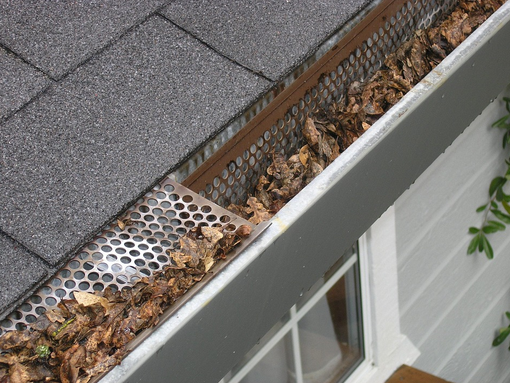
Your gutters and downspouts play a crucial role in directing rainwater away from your home. When they become clogged with leaves, dirt, and debris, water can overflow and seep into your roof, walls, or foundation. Regular cleaning helps ensure proper drainage and reduces the risk of water pooling around your property. It is especially important to inspect gutters after storms or during seasons when leaves accumulate quickly.
Maintain Household Appliances
Several household appliances rely on water connections, including washing machines, dishwashers, refrigerators, and water heaters. Over time, hoses and fittings can become loose, worn, or damaged. Regularly inspecting these connections and replacing aging hoses can reduce the risk of sudden leaks. It is also wise to follow the manufacturer’s maintenance recommendations to ensure appliances continue to operate safely and efficiently.
Protect Your Home’s Foundation

Water collecting around your home’s foundation can create serious long-term problems. Poor drainage may lead to cracks, shifting, and moisture intrusion into basements or crawl spaces. Ensuring the ground slopes away from your home helps direct water away from vulnerable areas. Installing proper drainage systems and monitoring any signs of foundation movement can significantly reduce the likelihood of water-related structural damage.
Know Where Your Main Water Shut-Off Valve Is
In the event of a burst pipe or major leak, every minute matters. Knowing the location of your main water shut-off valve lets you quickly stop water flow and limit damage. Every household member should know where the valve is located and how to operate it. Taking a few minutes to familiarize yourself with this important feature can make a significant difference during an emergency.
Protecting your home from costly water damage does not require complicated solutions. Regular inspections, proper drainage, appliance maintenance, and quick responses to potential issues can go a long way toward preventing expensive repairs. By staying vigilant and addressing problems early, homeowners can safeguard their property, preserve its …