
HVAC systems work hard to maintain indoor comfort, but excessive strain can gradually reduce their performance and reliability. During extreme weather conditions or prolonged operation, components such as compressors, fans, and motors experience increased wear, which may lead to overheating or system failure. This is where repairs become crucial. Luckily, Jurnee Mechanical has been named a top HVAC company for AC repair services in Hutto, TX, highlighting the importance of professional maintenance in preventing these issues before they become severe. Overworked systems often consume more energy, struggle to regulate temperature effectively, and require more frequent repairs. This article explores what happens when HVAC systems become overworked and why proper care is essential for long-term efficiency and performance.
Reduced Energy Efficiency and Higher Consumption
An overworked HVAC system typically consumes more energy because it operates for longer periods while struggling to maintain desired indoor conditions. Restricted airflow, inefficient cooling or heating cycles, and constant operation all contribute to increased energy use. As efficiency declines, the system requires more power to produce the same level of performance. This relationship between workload and energy demand highlights how system strain affects overall operational efficiency. Reduced efficiency not only impacts performance but also influences the long-term condition of the equipment.
Increased Strain on Mechanical Components
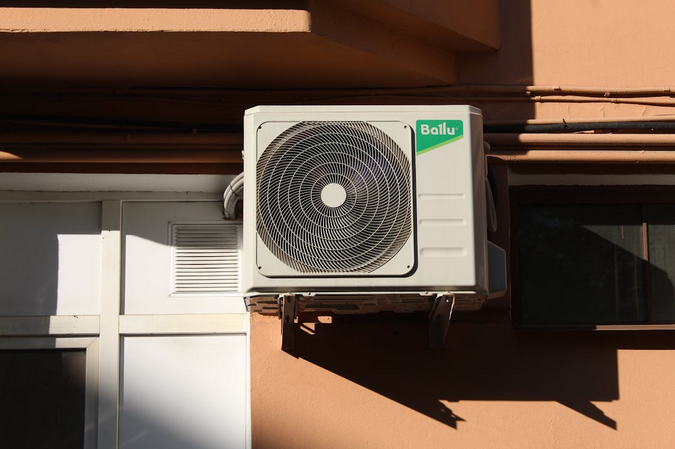
When HVAC systems are overworked, their internal components experience greater stress during operation. Parts such as compressors, motors, and fans must work harder to circulate air and regulate temperature. Continuous operation generates additional heat and mechanical friction within the system, which can accelerate wear on moving parts. Over time, this strain may reduce the efficiency of key components and affect the system’s consistent performance. The increased workload also places pressure on electrical connections and control systems, contributing to broader operational stress across the HVAC unit.
Effects on Indoor Comfort and Airflow
Overworked HVAC systems often struggle to maintain balanced indoor comfort. Rooms may experience uneven temperatures, inconsistent airflow, or slower heating and cooling responses. The system may continue running without effectively distributing conditioned air throughout the building. This imbalance can create noticeable differences between areas of the home or workspace. Airflow restrictions caused by overuse or component strain may further reduce comfort levels. These performance changes demonstrate how excessive system demand directly affects the indoor environment.
Long-Term Impact on System Reliability
Continuous overworking can affect the long-term reliability of HVAC equipment. Components subjected to ongoing strain are more likely to experience reduced lifespan and operational instability. Excessive workload may increase the likelihood of mechanical issues or unexpected system interruptions. Over time, the cumulative effect of strain can reduce the system’s ability to operate consistently under normal conditions. This decline in reliability highlights the importance of maintaining balanced system operation and addressing conditions that contribute to excessive demand.
When HVAC systems are overworked, they experience increased mechanical strain, reduced energy efficiency, and greater difficulty maintaining indoor comfort. Extended operation under heavy demand affects airflow, system performance, and the long-term reliability of important components. These effects demonstrate how excessive workload can influence both immediate operation and overall system stability. Understanding what happens when HVAC systems are overworked underscores the importance of maintaining proper airflow, efficient operation, and balanced use under changing environmental conditions.…