
What Happens When HVAC Systems Are Overworked

air con in a room

HVAC systems work hard to maintain indoor comfort, but excessive strain can gradually reduce their performance and reliability. During extreme weather conditions or prolonged operation, components such as compressors, fans, and motors experience increased wear, which may lead to overheating or system failure. This is where repairs become crucial. Luckily, Jurnee Mechanical has been named a top HVAC company for AC repair services in Hutto, TX, highlighting the importance of professional maintenance in preventing these issues before they become severe. Overworked systems often consume more energy, struggle to regulate temperature effectively, and require more frequent repairs. This article explores what happens when HVAC systems become overworked and why proper care is essential for long-term efficiency and performance.

Reduced Energy Efficiency and Higher Consumption

An overworked HVAC system typically consumes more energy because it operates for longer periods while struggling to maintain desired indoor conditions. Restricted airflow, inefficient cooling or heating cycles, and constant operation all contribute to increased energy use. As efficiency declines, the system requires more power to produce the same level of performance. This relationship between workload and energy demand highlights how system strain affects overall operational efficiency. Reduced efficiency not only impacts performance but also influences the long-term condition of the equipment.

Increased Strain on Mechanical Components
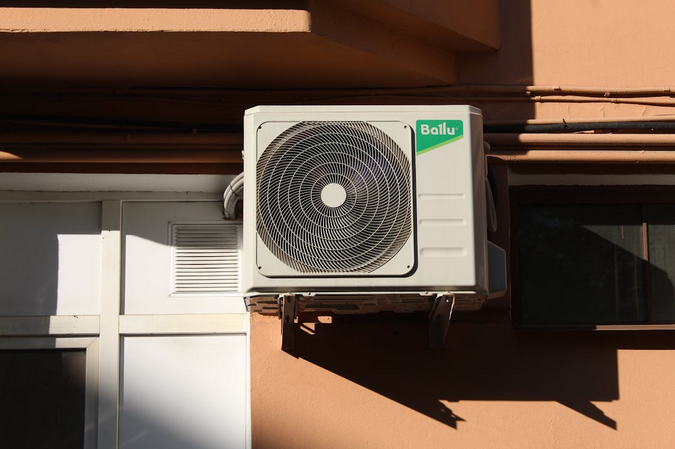
outdoor unit

When HVAC systems are overworked, their internal components experience greater stress during operation. Parts such as compressors, motors, and fans must work harder to circulate air and regulate temperature. Continuous operation generates additional heat and mechanical friction within the system, which can accelerate wear on moving parts. Over time, this strain may reduce the efficiency of key components and affect the system’s consistent performance. The increased workload also places pressure on electrical connections and control systems, contributing to broader operational stress across the HVAC unit.

Effects on Indoor Comfort and Airflow

Overworked HVAC systems often struggle to maintain balanced indoor comfort. Rooms may experience uneven temperatures, inconsistent airflow, or slower heating and cooling responses. The system may continue running without effectively distributing conditioned air throughout the building. This imbalance can create noticeable differences between areas of the home or workspace. Airflow restrictions caused by overuse or component strain may further reduce comfort levels. These performance changes demonstrate how excessive system demand directly affects the indoor environment.

Long-Term Impact on System Reliability
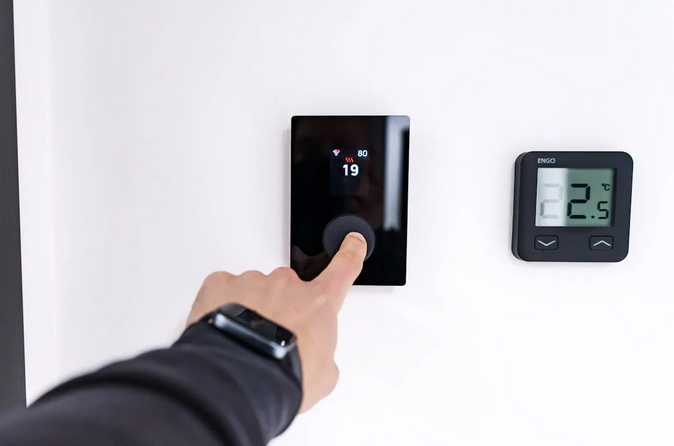
thermostat

Continuous overworking can affect the long-term reliability of HVAC equipment. Components subjected to ongoing strain are more likely to experience reduced lifespan and operational instability. Excessive workload may increase the likelihood of mechanical issues or unexpected system interruptions. Over time, the cumulative effect of strain can reduce the system’s ability to operate consistently under normal conditions. This decline in reliability highlights the importance of maintaining balanced system operation and addressing conditions that contribute to excessive demand.

When HVAC systems are overworked, they experience increased mechanical strain, reduced energy efficiency, and greater difficulty maintaining indoor comfort. Extended operation under heavy demand affects airflow, system performance, and the long-term reliability of important components. These effects demonstrate how excessive workload can influence both immediate operation and overall system stability. Understanding what happens when HVAC systems are overworked underscores the importance of maintaining proper airflow, efficient operation, and balanced use under changing environmental conditions.…

How Regular HVAC Servicing Improves Comfort and Efficiency at Home

A well-functioning HVAC system makes daily life easier. It keeps temperatures stable, supports clean air, and prevents unexpected discomfort. Many homeowners ignore their system until problems appear. This creates stress and higher costs. Regular servicing and timely furnace repair belgrade mt services can change this pattern. It protects performance and maintains indoor comfort. It also helps reduce energy waste and keeps your home running smoothly. This article explains how routine HVAC care delivers reliable, long-lasting benefits.

Professional Assessment and Early Detection

Regular servicing gives technicians the chance to inspect every component. They look for small signs of wear before they turn into major issues. Early detection avoids breakdowns and unnecessary stress. It also protects the system from strain. A professional assessment creates a steady performance pattern. This helps the system run efficiently without sudden temperature shifts. Many homeowners notice smoother airflow and more consistent comfort after routine checks.

Energy Efficiency and Lower Monthly Costs

Energy efficiency improves when an HVAC system runs without strain. Regular maintenance keeps components clean and calibrated. This lowers energy use. A serviced system also cycles correctly. It avoids running longer than necessary. These differences reduce monthly bills. Many homeowners see the value quickly. A well-maintained system uses energy wisely instead of wasting it. This creates a home environment that feels comfortable without added cost. Regular care delivers savings that grow over time.

Balanced Airflow and Temperatures

Clean and unrestricted airflow matters. Dust and buildup inside the system make it work harder. This leads to uneven temperatures and poor circulation. Regular servicing removes the obstructions that often cause these problems. Once airflow improves, the home feels more comfortable. Each room reaches the right temperature faster. Balanced airflow also helps the system last longer. A serviced unit works without unnecessary effort and avoids common performance dips.

Cleaner Indoor Air and Healthier Living Spaces

Indoor air quality is often overlooked. A clogged filter or dirty coil spreads allergens and irritants through the home. Regular HVAC servicing prevents this. Technicians clean or replace filters. They remove dust from internal parts. This reduces the particles floating in the air. Cleaner air supports a healthier environment. Families with allergies notice a significant improvement. A maintained system also keeps humidity at proper levels. This supports better breathing and creates a more pleasant living space.

Fewer Repairs and Extended System Lifespan

Routine servicing protects the system from early wear. Small components last longer when they are cleaned and adjusted regularly. This reduces the need for repairs. It also slows down the aging process inside the unit. When a system receives steady care, it reaches its expected lifespan without trouble. Some even last longer than average. Preventive maintenance offers the utmost protection for your investment. It keeps your HVAC running dependably season after season.

Consistent Performance During Peak Seasons

cooling performance

Extreme temperatures test any HVAC system. Regular servicing helps it handle these conditions without failing. A tuned system responds faster when the weather shifts. It keeps the home cool during heat waves and warm during cold spells. This consistency brings peace of mind. Homeowners can rely on their system when comfort matters most. Servicing prepares the unit for heavy use and reduces the risk of sudden breakdowns at the worst moments.

Access to Expert Guidance and Modern Solutions

Technicians often uncover patterns the homeowner cannot …

Best Tips On Furnace Repair And Maintenance

cooking in a furnace

A functioning furnace is crucial in cold places like Minnesota. Sometimes furnace may need repair at inopportune moments. Of course calling a professional is the best option. However, before calling a professional, there are a few maintenance and repair items that you can handle.

Best tips

1. Change of furnace filter

fireFurnace air filters can get dirty and clogged when there is high use. It is advisable to change the air filters in the furnace at least once in three months but also confirming manufacturer’s advice. This is because a dirty furnace filter causes bad air circulation and supports bad quality of air.

2. Check out the burner flames

Ensure your burner is always even and blue during combustion. Avoid a yellow flame which signifies dirty burners or production of carbon monoxide by the furnace. It is advisable that you consult a professional to take a look and solve the carbon monoxide issue.

3. Vacuum burners

You should switch off the furnace and the gas supply, then vacuum dirt and dust near or in the furnace base, burners or blower compartment.

4. Clean the blower

Clean the blower using an emery cloth that is fine and made to clean surfaces of metal.

>h4>5. Clean the sensor of the flame

Clean the sensor of the flame using an emery cloth that is fine and made to clean surfaces of metal.

6. Dust the igniter of the hot surface and the pilot

It is recommended that you avoid touching the igniter of the hot surface. Therefore, as a suggestion, use a straw to blow off any dirt that has settled on the igniter of the hot surface and the pilot.

7. Inspect the drive belt for wear and tear

The drive belt should be inspected regularly. The cost of replacement is low at about $5.

8. Use lubricant on bearings

Use lightweight motor oil to lubricate motor bearings in the furnace and bearings in the blower shaft.

9. Check for corrosion

Check for a powdery residue that is white on exhaust pipes since this could be evidence of corrosion. Call a professional for repairs.

10. Seal leaks in pipes

Check your vents for any leaks. If any, seal them using silicone that is heat resistant or metal tape.

11. Inspect exhaust and air intake ducts

icon of a furnaceIf exhaust and air intake ducts on the outside of the house are blocked, it is possible that the furnace in your house is malfunctioning. Ensure you clean the exterior furnace exhausts off leaves, snow, and ice.

The above best tips on furnace repair and maintenance will ensure that your house remains warm throughout the winter.…